
Those who knew her remember a capable, principled and pragmatic diplomat who never set out to make history.
She simply focused on doing the job well, and in doing so, she helped open doors for others.
Those who knew her remember a capable, principled and pragmatic diplomat who never set out to make history.
She simply focused on doing the job well, and in doing so, she helped open doors for others.
She hoped to pursue an international career, but knew that opportunities for women in diplomacy were still limited at the time. But that didn’t stop her.
While living in London in the late 1960s, she decided to write the Trade Commissioner Service exam. To her surprise, she passed and became the first female Trade Commissioner.
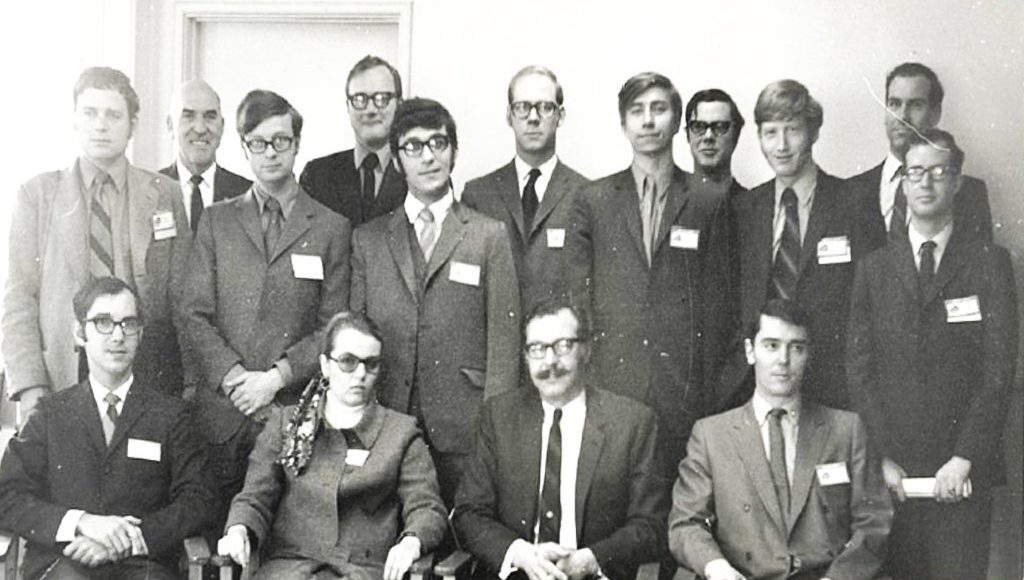
Barriers for women were beginning to shift, though attitudes varied. Some colleagues welcomed women, while others held on to more traditional beliefs.
“You certainly weren’t one of the boys,” Patricia later said. “You had the feeling that you were surplus.”
Howie Cummer, a close friend in her cohort, remembers how Patricia stood out to him. “When we got into business discussions, she participated at the same level as everyone else,” he says. “She was confident.”
In 1970, at just 24, Patricia was sent on her first posting: New Delhi.
She described it as being “parachuted into another world”, where she often felt lonely and isolated. Her first assignment was to furnish and decorate diplomatic residences.
“I was sent to Delhi to prove that women Trade Commissioners weren’t up to it,” she said. “Nobody knew what to do with me, and they hoped that I would give up and go home.”
Instead, Patricia immersed herself in the work, travelling, meeting contacts, and learning how business and daily life functioned. She excelled.
Expectations around working mothers were still changing, and she often encountered outdated attitudes. She navigated them calmly, letting her competence speak for itself.
Greg remembers a childhood shaped by different countries, schools, and cultures, but also by discipline and consistency at home. The boys were taught that everything given to them as part of diplomatic life belonged to the people of Canada and was to be respected.
Balancing work and family was supported by her partnership with Paul. Their strengths complemented each other: Patricia focused on the work, while Paul excelled at building relationships, often hosting gatherings bringing the local diplomatic and business communities together.
By the mid-1970s, Patricia was sent on her next posting, Australia.
Regions across the country were facing drought, and farmers desperately needed equipment suited to these conditions.
Canada’s recent experience with similar challenges in the Prairies allowed her to connect Australian farmers with the right Canadian products and machinery.
“We were able to get a lot of deals done,” she later said.
Patricia’s next posting took her to Cleveland, which she later described as one of her favourites and a “best kept secret.”
The United States was already Canada’s biggest trade partner, but Cleveland’s business community operated through networks of trust and familiarity.
When she had the opportunity to hire an assistant, Patricia chose a former local football player who had community ties with decision-makers.
“She knew how to approach issues,” says her son Greg. “She understood what would work.”
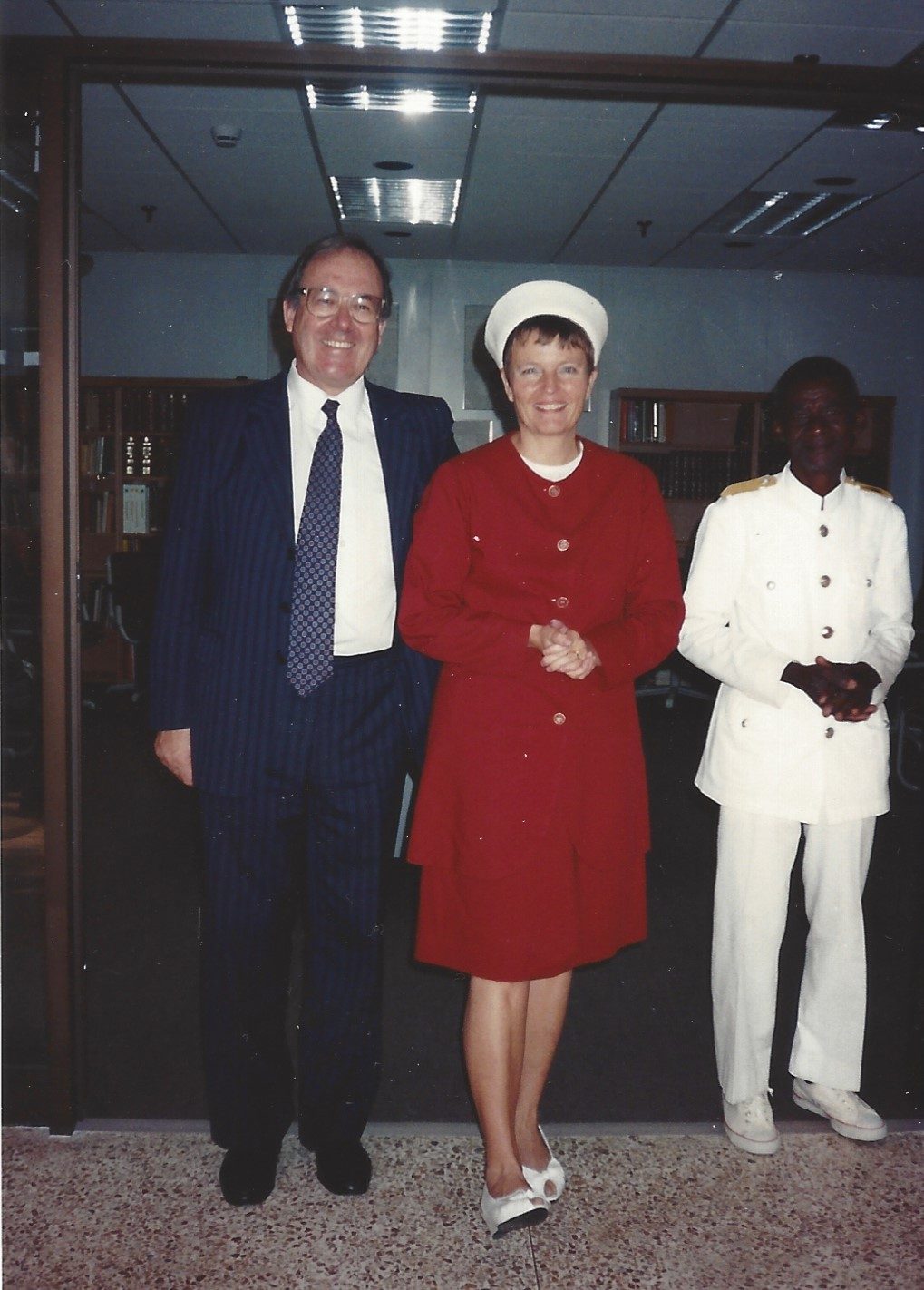
By 1984, Patricia had moved into leadership roles, starting as Deputy Director in the Japan Trade Division.
Ruth Zeisler, one of her employees, remembers an impactful leader and mentor.
“She didn’t just give you answers,” she says. “She expected you to work through the problem.”
“She had a remarkable ability to build trust with people, whether they were Canadian exporters or local partners abroad,” says John Treleaven, her manager at the time.
Reflecting on the significance of her career as a woman, he adds: “How many people did we miss before that?”
In 1992, Patricia was appointed Canada’s High Commissioner to Tanzania.
This marked a significant shift in responsibility. Moving beyond trade, she now oversaw Canada’s broader presence in the country, including diplomatic relations, development, and political engagement.
When Patricia was appointed Ambassador to Portugal in 1994, Newfoundland and Portugal were facing complex tensions in the fisheries sector.
Patricia approached the situation differently. Her mother’s roots in Newfoundland gave her a personal understanding of the longstanding relationship between the two regions.
In 1998, the Creoula Project brought together young people from Newfoundland and Portugal for a transatlantic voyage aboard the Creoula, a historic fishing vessel. Through the shared experience, relationships and understanding developed beyond formal negotiations. Friendships started aboard the Creoula, still exist today, decades later.
“She was incredibly proud of it,” says her son Greg. “It brought people together in a way that nothing else could.”
In recognition, she was named Commander of the Order of Prince Henry the Navigator by the President of Portugal.
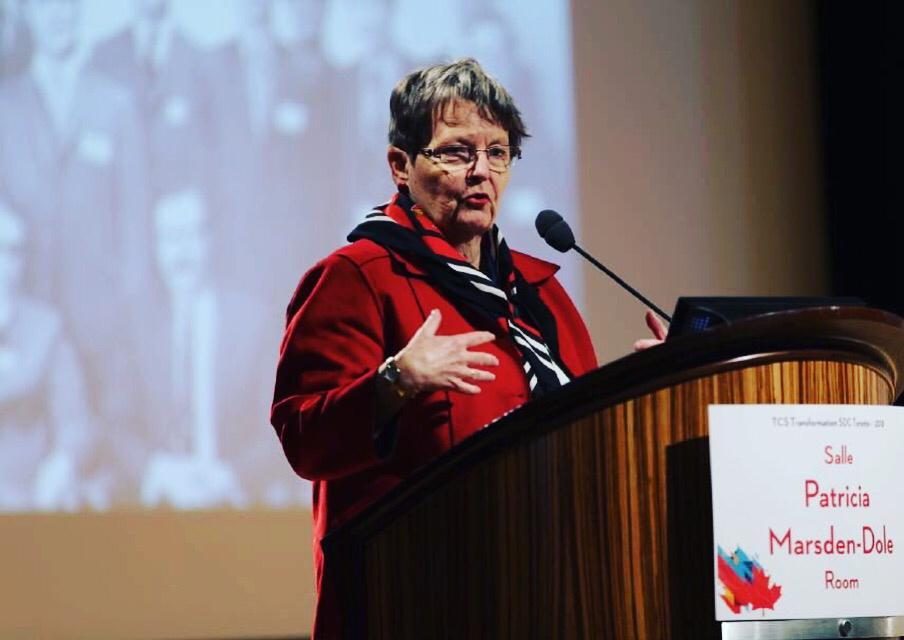
Patricia retired from public service in 2003 but did not step away from work.
She completed a doctorate in Applied Theology at Saint Paul University, focused on spirituality, aging and dying. She also founded the Centre for Aging and Community. She light-heartedly described this work as “helping the boomers”.
She also remained deeply involved in her community through volunteering.
In 2015, she received the Senior Achievement Award from the Province of Ontario.
In 2025, at the age of 80, Patricia passed away.
She will always be remembered as Canada’s first female Trade Commissioner, but those who knew her remember something more.
They remember someone who approached problems systematically, remained calm and pragmatic, and focused on doing the work well for Canada.
Her approach reflected what remains at the core of the Trade Commissioner Service.
As she put it: “When you find a connection between a Canadian seller and a foreign buyer, gender doesn’t matter.”
Her career did more than just open a door; it set a standard for what it means to be an excellent diplomat.